Flood of bureaucracy leaves prime home lots vacant in Fort Pierre

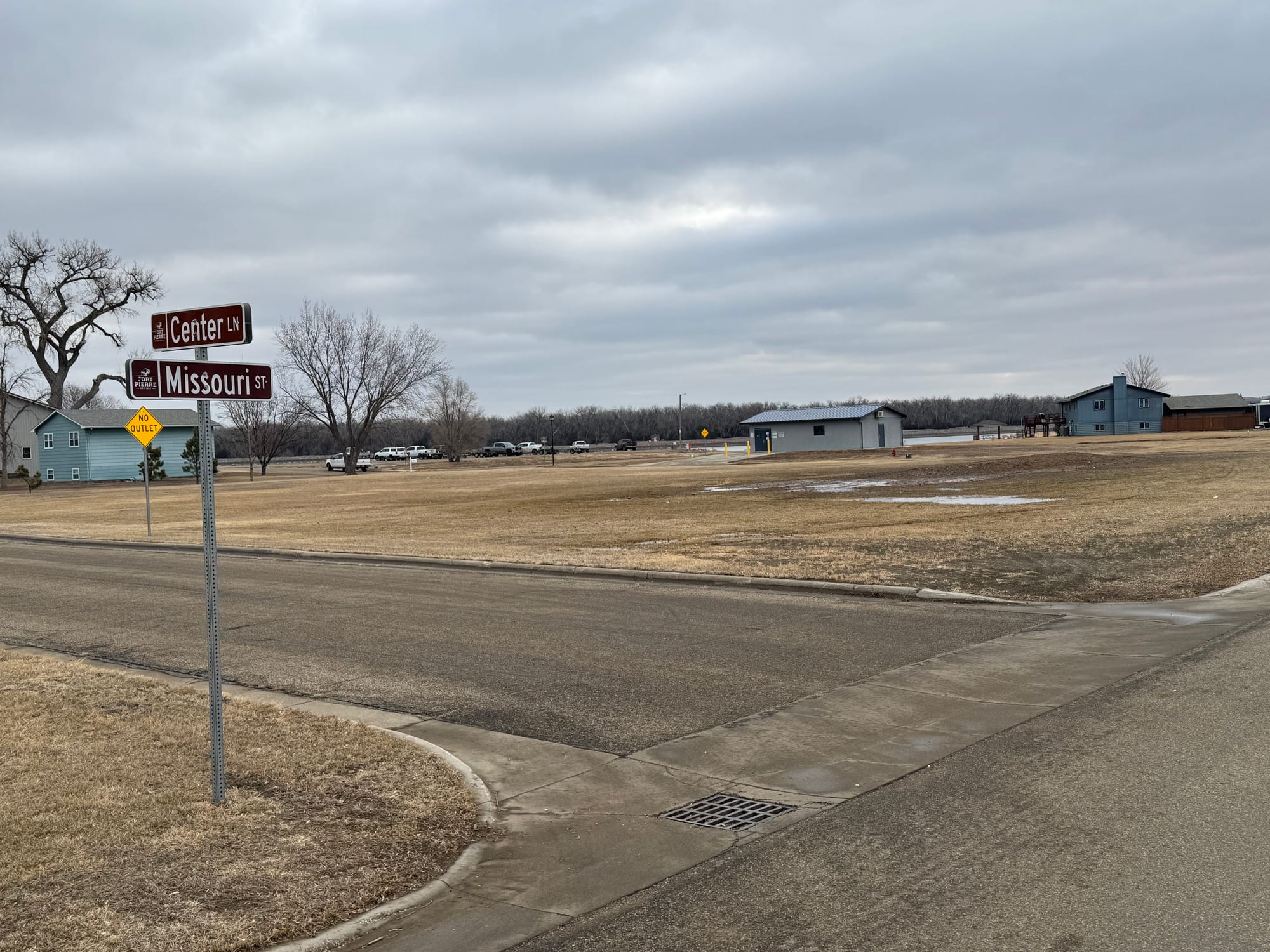
FORT PIERRE, S.D. – With the picturesque Missouri River flowing only a block behind him, Dave Bonde stood in a vacant lot in a residential neighborhood in Fort Pierre and shook his head in exasperation.
As the executive director of the Fort Pierre Development Corp., Bonde is tasked with encouraging new housing and business projects to generate population and economic growth in this city of about 2,500 people.
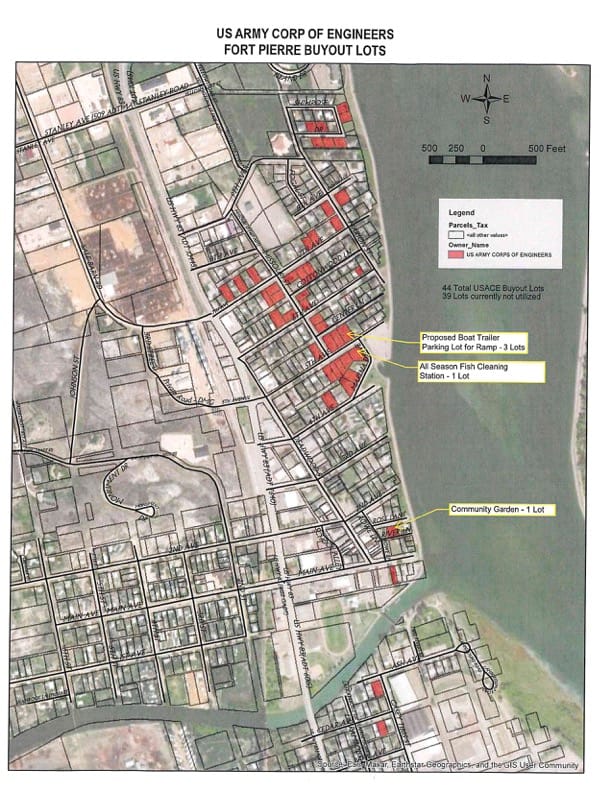
For Bonde and other local officials, it is troubling that 42 lots – including some with riverfront access and views – are prevented by the federal government from being used as homesites.
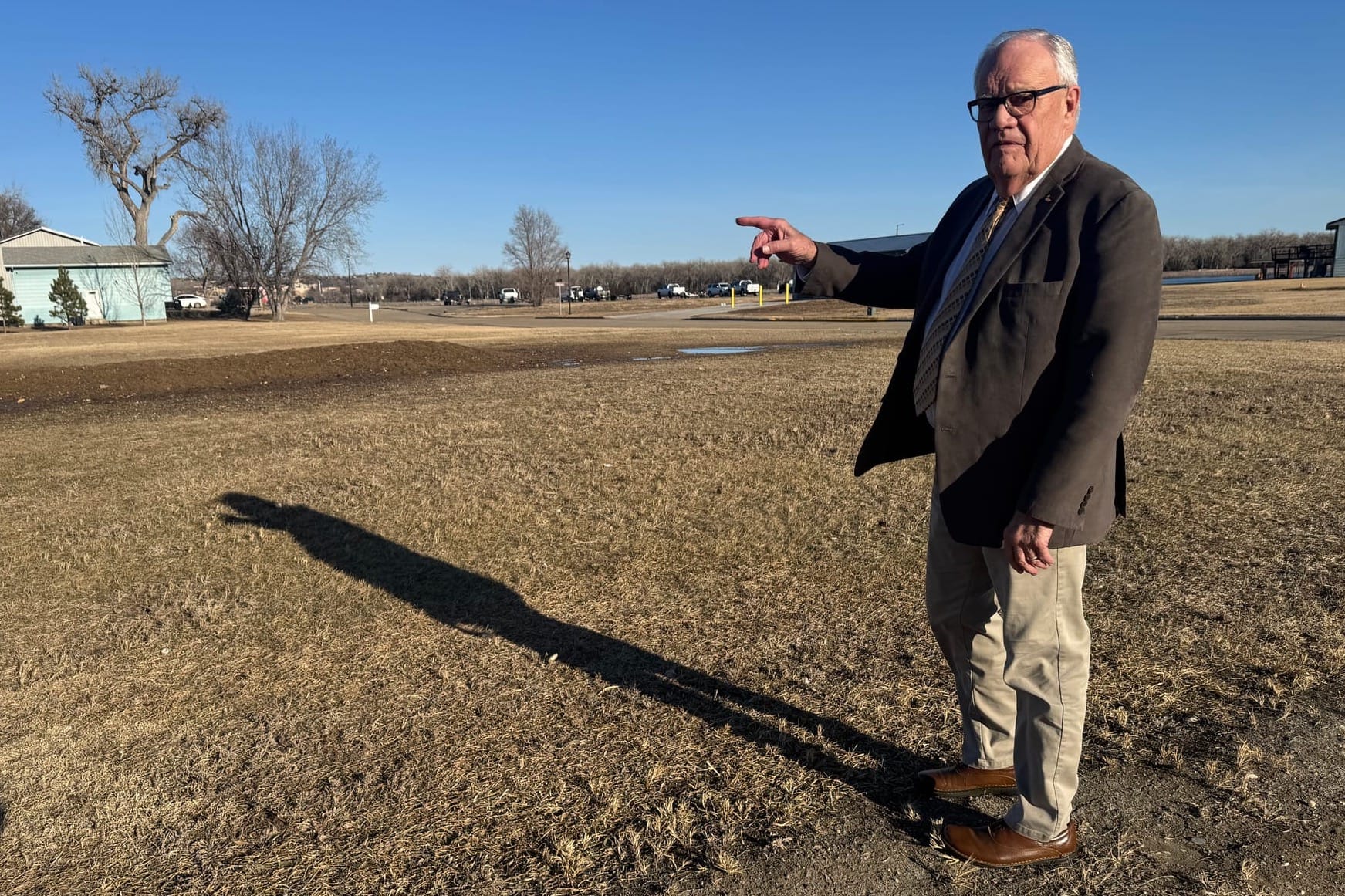
“We can’t build on them, so no one can live there and they’re not generating any taxes back to the city,” Bonde said. “It’s going to take an act of Congress, literally, to get this changed.”
Federal ownership and federal red tape
The vacant lots are owned by the U.S. Army Corps of Engineers, a powerful federal agency that builds and manages infrastructure across the country, including on and along waterways.
Fort Pierre’s downtown and main residential district are located to the north of the confluence of the Missouri and Bad rivers, which makes the city prone to significant flooding every few years.
After the two rivers swelled in the late 1990s, washing out residential neighborhoods and damaging homes on the city’s northeast side, the Corps bought 44 lots as part of a long-range flood control project.
After the purchases, residents relocated and homes were moved or torn down, and the federal government has since blocked any future housing development that would be prone to flooding.
Specifically, homes cannot be built on the lots unless the livable areas are at least 1 foot above the historic flood plain level. Meanwhile, the Corps has retained ownership of the properties and has refused efforts by the city to buy the lots and find ways to elevate the foundations or to build homes on stilts.
Fort Pierre Mayor Gloria Hanson, now in her sixth two-year term in office, has been working for years to get the Corps to relinquish ownership of the vacant lots to the city or to simply get clearance to allow residential development.

Despite attempts to work through Corps red tape or get help from members of the South Dakota congressional delegation, Hanson said the issue is at a stalemate.
Fort Pierre is eager to encourage new housing to increase its population and tax base. The city also wants to capitalize on growth opportunities as a bedroom community to the much larger city of Pierre, the state’s capital city located on the opposite shore of the Missouri River.
Get South Dakota stories
An email summary on most weekdays that links to the full version. Cancel anytime.
Hanson said the flood prevention program has created a “checkerboard” of open lots in an area that is prime real estate for residential development.
“It kind of spoils the neighborhood to have these properties sit empty,” Hanson told News Watch in an interview. “We would love to put those neighborhoods back together, and it would also be nice to have the properties back on the tax rolls.”
Hanson said the federal government has paid for mowing and weed control on the lots for more than 20 years. The Corps has shown some flexibility in allowing the city to find allowable uses for the lots that do not include housing.
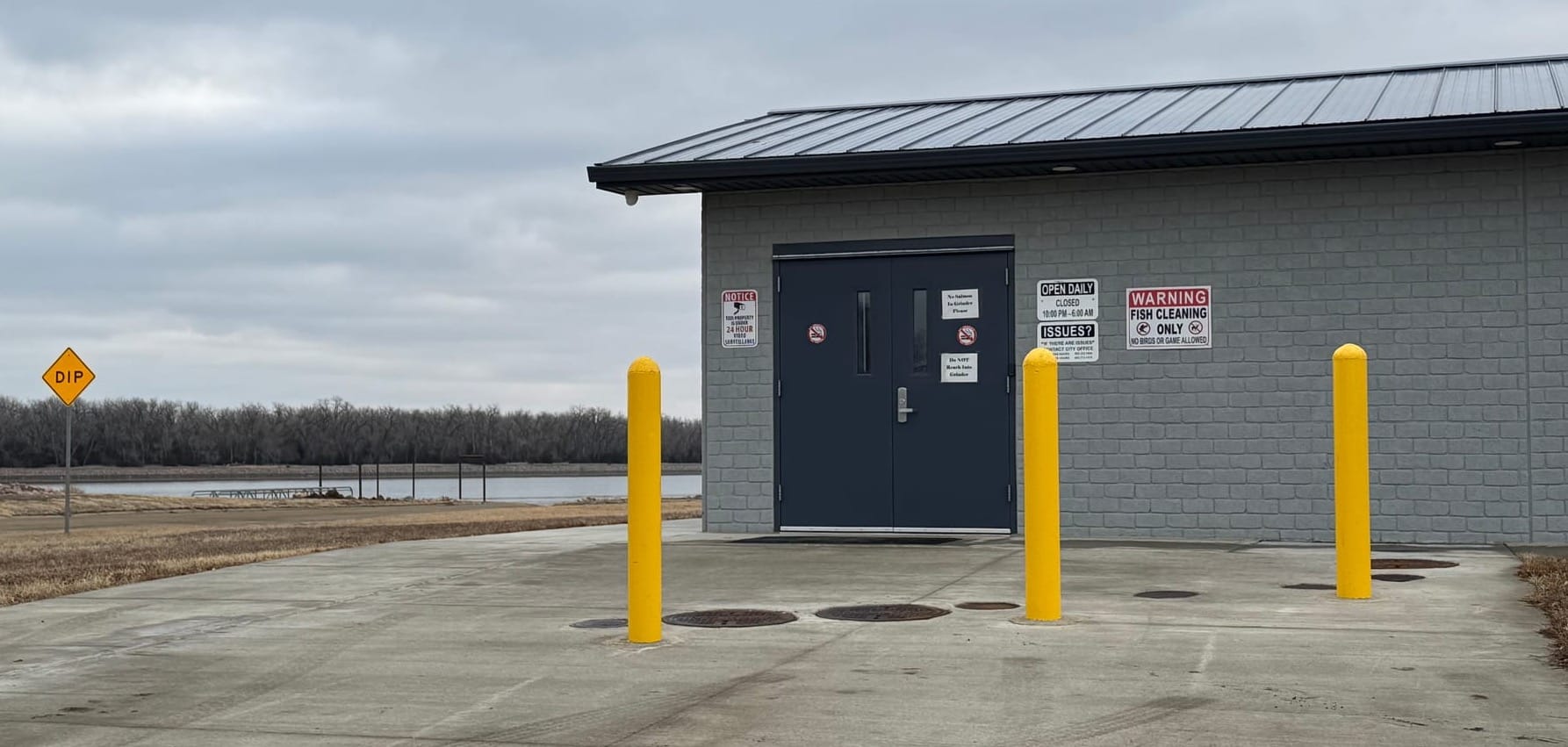
The city signed long-term leases with the federal government to turn one lot into a community garden, and another was developed into a year-round fish cleaning building next to a boat launch on the Missouri River. Plans to use three lots for boat trailer parking have not materialized, Hanson said.
Corps says law must be followed
News Watch sent a list of questions to the U.S. Army Corps of Engineers regional office in Omaha, Nebraska, and received a written statement in response. A Corps spokesman said the agency could not provide any further details at this time.
“The Omaha District is aware of the questions regarding federally owned properties in Fort Pierre. These lands were acquired in support of an authorized flood risk management project in Pierre and Fort Pierre,” the spokesman wrote.
“Any potential change in ownership or development would require compliance with federal law and a determination that the property is no longer needed for project purposes. We continue to partner with Fort Pierre through our technical assistance programs to evaluate the ongoing flood risk to the community including these vacant parcels.”